salakhalimunmountain.com – The first thing many people notice when they step into the rainforest of Mount Salak and Mount Halimun is the silence that is not truly silent. It is a living quiet, filled with cicada rhythms, distant bird calls, and the soft rustle of leaves stirred by mountain air. Within minutes, shoulders loosen, breathing slows, and thoughts begin to drift away from deadlines, traffic, and glowing screens. This is not coincidence. Green spaces, especially ancient rainforests like Salak Halimun, have a powerful and measurable effect on how the human brain rests, resets, and recovers.
The Brain Was Not Designed for Concrete and Screens
Human brains evolved over hundreds of thousands of years in landscapes shaped by trees, rivers, animals, and changing skies. For most of our existence, daily life unfolded beneath forest canopies, along riverbanks, and across open grasslands. The modern world, however, has introduced environments filled with noise, artificial light, crowded streets, and constant digital stimulation.
When the brain is continuously exposed to alarms, notifications, traffic sounds, and visual clutter, it remains in a state of alertness. This prolonged attention mode consumes mental energy and leaves little room for recovery. Over time, this can lead to fatigue, irritability, poor focus, and emotional exhaustion.
Green spaces act as a natural counterbalance. In places like Halimun Salak National Park, the brain encounters patterns it recognizes deeply. Organic shapes, natural light filtering through leaves, and rhythmic natural sounds gently guide the mind away from constant vigilance and toward rest.
Why Rainforests Calm the Mind Faster Than Urban Parks
Not all green spaces are the same. A small city park can offer relief, but vast rainforest ecosystems provide something deeper. Mount Salak and Mount Halimun are home to dense primary and secondary forests where layers of vegetation create a feeling of enclosure and safety.
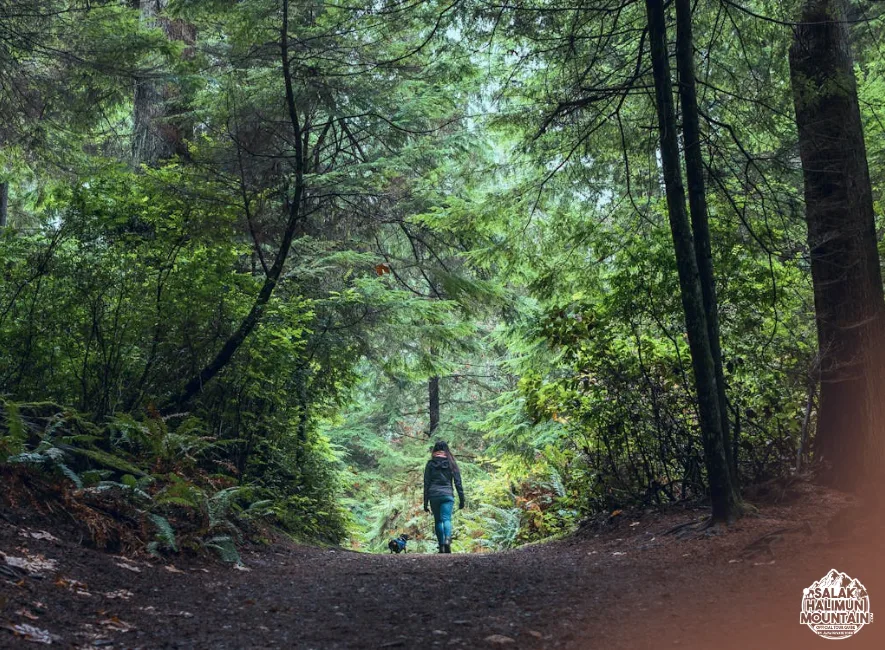
As you walk along a soft mud trail under towering trees, the brain begins to shift into what psychologists call effortless attention. Instead of focusing sharply on tasks, the mind wanders gently. This mental state allows cognitive systems responsible for decision making and problem solving to rest.
The rainforest also provides visual complexity without overload. Moss covered rocks, twisting roots, and overlapping leaves create endless variation, yet none of it demands immediate reaction. This balance is essential for mental recovery.
Natural Sounds and the Brain’s Healing Response
Sound plays a critical role in how green spaces help the brain rest. In Salak Halimun, silence is layered. Water flows steadily over stones. Insects hum in cycles. Birds call intermittently, never aggressively.
These sounds signal safety to the nervous system. Unlike sudden horns or mechanical noises, natural soundscapes follow predictable patterns. The brain does not need to scan for danger, allowing stress hormones to decrease naturally.
Many visitors notice improved sleep after a day in the forest. This is partly due to reduced mental noise. The brain has spent hours immersed in sounds that soothe rather than stimulate.
Breathing Forest Air and Mental Clarity
The air in the Salak Halimun rainforest feels heavier, cooler, and richer. This is not imagination. Dense vegetation releases moisture and organic compounds into the atmosphere. Breathing slowly in this environment encourages deeper oxygen exchange.
As breathing slows, the parasympathetic nervous system activates. This system is responsible for rest, digestion, and recovery. Heart rate decreases, muscle tension releases, and mental clarity improves.
Many hikers describe a sensation of thoughts becoming simpler. Worries feel smaller. Decisions feel less urgent. This mental quiet is one of the most profound benefits of spending time in large green spaces.
Attention Restoration Through Forest Immersion
Psychological research describes a concept known as attention restoration. It explains how natural environments help restore depleted cognitive resources. The rainforest is one of the most effective settings for this process.
In Salak Halimun, attention shifts naturally. You may notice a fern unfurling, then a shaft of light on the forest floor, then the sound of a distant waterfall. None of these require effort. This gentle engagement allows the brain’s directed attention systems to rest.
After forest immersion, people often report improved concentration and creativity. Tasks that once felt overwhelming become manageable again.
Emotional Regulation in Green Spaces
Green spaces also support emotional balance. The rainforest encourages a slower emotional rhythm. Without constant external demands, emotions have space to settle.
The presence of living systems also fosters perspective. Standing beneath trees that have grown for decades or centuries reminds visitors of time beyond human schedules. This can soften anxiety and reduce feelings of urgency.
In local communities around Mount Salak and Mount Halimun, time spent in nature has long been understood as a form of grounding. It is not framed as therapy but as balance.
Walking as a Natural Mental Reset
Trekking through rainforest trails combines movement with sensory immersion. Walking rhythmically on soft forest paths helps regulate brain waves and supports mental calm.
Unlike urban walking, which often involves dodging obstacles and noise, forest trekking encourages steady pace and awareness. Each step becomes part of a natural flow rather than a rush.
This is why many people feel mentally lighter after a day of trekking in Salak Halimun, even if their bodies feel tired. Physical exertion paired with green space exposure creates ideal conditions for brain recovery.
The Role of Water in Mental Relaxation
Waterfalls, streams, and rivers are abundant throughout the national park. These features enhance the calming effect of green spaces.
Flowing water provides visual movement that is soothing rather than demanding. The brain follows the motion instinctively, creating a meditative effect. The sound of water masks intrusive thoughts and supports relaxation.
Spending time near waterfalls in Mount Salak often leaves visitors feeling refreshed and emotionally lighter.
Why Consistent Nature Exposure Matters
One visit to a green space can bring noticeable relief, but repeated exposure deepens the benefits. The brain learns to associate forest environments with safety and rest.
Locals who regularly enter the forest often display strong emotional resilience. Their nervous systems recover more quickly from stress because they maintain regular contact with restorative environments.
This relationship between humans and green spaces is reciprocal. As people care for the forest, the forest supports their mental well being.
Respecting Nature While Receiving Its Benefits
To fully experience the restorative power of green spaces, respectful behavior is essential. Staying on trails, minimizing noise, and avoiding litter preserve the calm environment that supports mental rest.
Responsible trekking ensures that future visitors can experience the same sense of peace and renewal. The rainforest gives generously, but it thrives when treated with care.
A Forest That Heals Without Words
Mount Salak and Mount Halimun offer more than scenery. They provide a space where the human brain can return to its natural rhythm. In the filtered light beneath the canopy, surrounded by living systems older than memory, the mind remembers how to rest.
So, if you’re ready to explore the wonders of Mount Salak Halimun, head over to our ONLINE BOOKING PAGE and let’s start planning your adventure. Or simply CLICK THIS LINK to chat with us on WhatsApp.
With our team, you’re not just getting a guide; you’re gaining a local friend who will ensure your trip is nothing short of extraordinary.